
Selling a Home at Pickwick Lake | Local Seller’s Guide
THE PICKWICK LAKE SELLER’S GUIDE · COUNCE · SAVANNAH · IUKA
Selling a home at Pickwick Lake starts with a good plan
Understand pricing, prepare your property, learn how I market each listing, and know what to expect from the first conversation through closing.
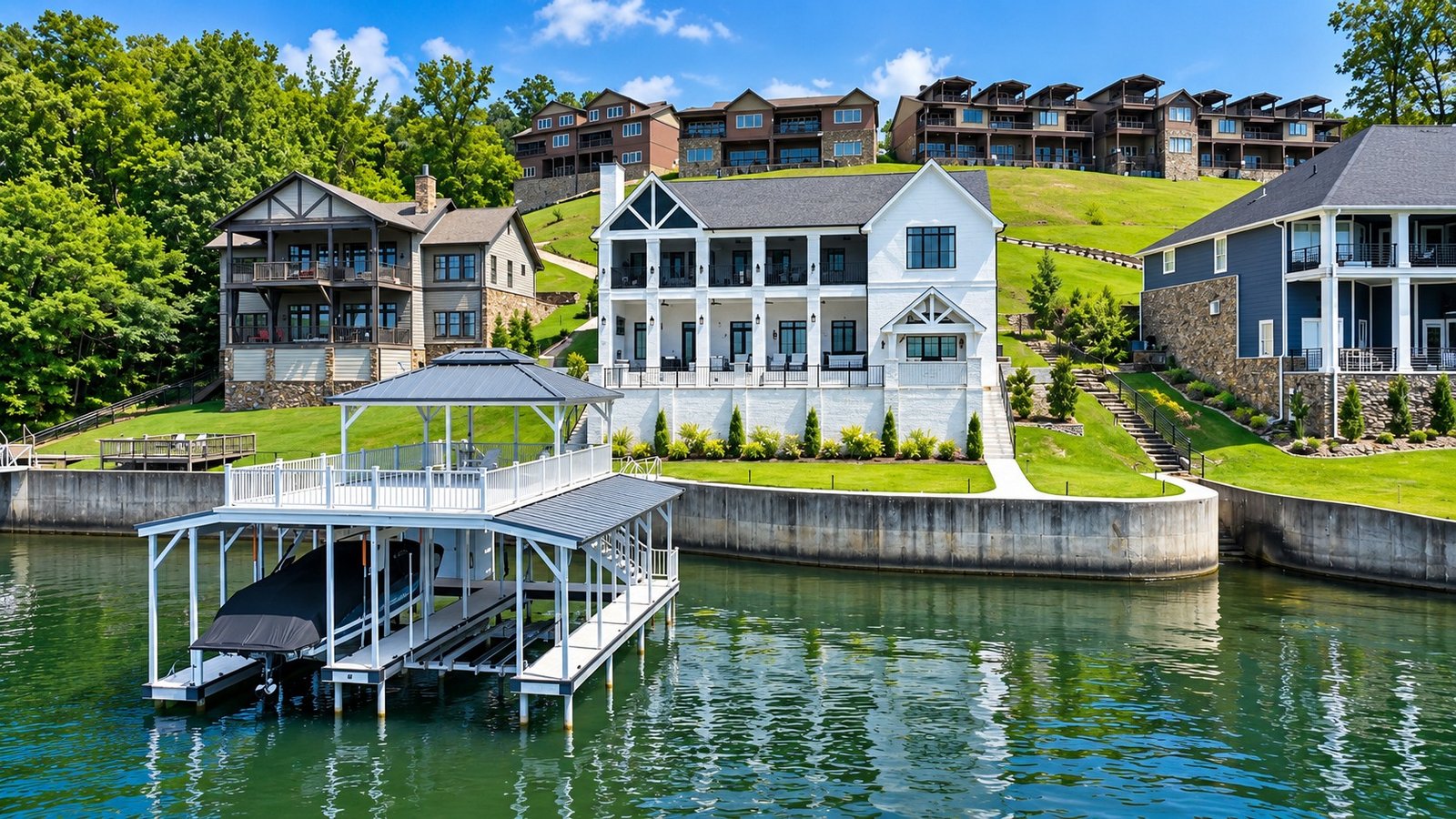
Thinking about selling a home at Pickwick Lake? I’m Adam Wright with Wright Realty. I help homeowners around Counce and Savannah, Tennessee, and Iuka, Mississippi, prepare their homes, understand the market, and reach buyers who are looking for the right property. Lakefront houses, homes with water views, golf-community residences, weekend getaways, and traditional neighborhood homes do not all compete in the same market.
This guide is meant to be useful even if you are not ready to list yet. It explains the decisions sellers commonly face, the documents worth gathering, and the marketing and communication you can expect from me. It does not promise a particular sale price or timeline; those depend on the home, the market, and the terms of an eventual offer.
Property-specific pricing
I review actual comparable sales, current competition, lot features, property condition, and lake-related rights—not just an area-wide average.
Professional presentation
I use a high-quality camera, carefully edited property photographs, listing videos, and Matterport 3D tours to help buyers understand a home.
Communication throughout
I keep sellers informed about showings, pursue available buyer-agent feedback, explain offers, and communicate as a transaction progresses.
Jump to the information you need
- How a Pickwick Lake home is priced
- Preparing your house for the market
- Selling waterfront and lake-access property
- My photography, Matterport, video and social marketing
- Showings, feedback and seller communication
- Offers, inspections and closing
- Selling costs and estimating your net proceeds
- Tennessee and Mississippi disclosures
- Frequently asked seller questions
1. What is my Pickwick Lake home worth?
There is no single price per square foot that fits every home around Pickwick Lake. A waterfront property with a permitted dock may appeal to a different buyer than a water-view home, a cabin in a wooded subdivision, or a house near a public boat ramp. A useful pricing discussion starts with the specific property, not a broad online estimate. My Pickwick Lake Market Report gives you a starting point with recent sales, median prices and time on market.
How I evaluate an asking price
- Recent closed sales: What did genuinely comparable properties sell for, not simply what were they asking?
- Active and pending competition: What choices will buyers see alongside your property, and what is the market signaling?
- Location and lake relationship: Waterfront, water view, deeded access, marina access and proximity to a boat ramp are different features. Specific rights matter.
- Condition and improvements: Age, renovations, roof, HVAC, windows, decks, outdoor spaces, drainage, and any major deferred maintenance.
- Lot characteristics: Privacy, usable yard, topography, driveway access, parking, storage, and dock or boat-lift arrangements when applicable.
- Community and transaction details: HOA assessments, architectural rules, rental restrictions, furnishings, fixtures, and improvements that may convey.
My goal is to recommend a defensible pricing strategy using comparable homes, your property’s strengths and weaknesses, and the competition buyers are likely to consider. A seller can choose a listing price, but the eventual sale price depends on actual buyer demand and the terms negotiated.
Want a property-specific pricing discussion?
Tell me the address, what has been updated, and whether the home has any waterfront, water-view, dock, marina, or HOA features. I can prepare a comparative market analysis and talk through pricing and marketing options with you.
2. Preparing your home before listing
Good preparation makes a property easier for buyers to understand. That does not mean remodeling everything. We should prioritize safety, maintenance, cleanliness, clear property information, and improvements likely to matter to the buyers for your type of home.
Inside the home
Start with:
• Fix active leaks and obvious safety issues
• Check HVAC operation and filters
• Address moisture or musty odors
• Repair damaged fixtures and doors
• Clean windows and reduce clutter
• Organize maintenance and appliance information
Exterior and outdoor areas
Start with:
• Clear entrances and walkways
• Check stairs, decks and handrails
• Trim landscaping without disturbing regulated shoreline areas
• Maintain gutters and drainage
• Tidy driveway and parking areas
• Prepare outdoor seating for photographs
If it is a second home
Start with:
• Check plumbing and water supply
• Plan for regular HVAC operation
• Confirm utility service and internet
• Remove valuables and personal items
• Arrange access for showings
• Decide who monitors the home between visits
What repairs should you make first?
I would start with concerns a buyer can easily observe or that could interrupt an inspection: active water intrusion, unsafe decking, significant HVAC problems, plumbing leaks, electrical issues, and obvious deferred maintenance. Cosmetic improvements may help, but they should be evaluated against their cost and the home’s probable buyer. Don’t assume a major remodel will pay for itself at closing.
A practical before-photography checklist
- Put away personal documents, prescription medications, spare keys and valuables.
- Open blinds, turn on lights, clean glass, and check that all bulbs work.
- Clear kitchen counters, remove unnecessary furniture, and make beds neatly.
- Sweep patios and decks, move vehicles from primary exterior angles, and secure pets.
- If applicable, clear dock walkways, tidy outdoor furniture, and check boat lift presentation without changing safety settings.
- Give me a list of improvements, important neighborhood amenities, and features you want buyers to understand.
If you’ve lived elsewhere while using the home seasonally, tell me how its systems have been maintained. Buyers often ask about utilities, moisture control, pest treatment, internet, and who handles care when the property is unoccupied.
3. Selling waterfront, water-view and lake-access property
Homes at Pickwick deserve accurate descriptions of their relationship to the water. A property can have a beautiful lake view without owning shoreline. Another home may use a community marina or shared dock without conveying an individually owned boat slip. I want buyers to understand the difference from the beginning.
Dock and shoreline paperwork can matter
For waterfront properties with docks or shoreline improvements, gather your existing TVA Section 26a permit and approved drawings if available. TVA says shoreline permits do not automatically transfer when property is sold; new owners generally must notify TVA within 60 days of acquiring the property and apply for the relevant transfer or permit. Existing docks must match the previously approved facilities to qualify for a transfer. Read TVA’s Shoreline Permits FAQ and Section 26a regulations.
For sellers, the practical first step is to identify what paperwork exists and whether the dock, boat lift, walkway, retaining wall, shoreline stabilization or other waterfront features match those records. Don’t assume an unpermitted alteration becomes acceptable simply because it has been in place for years. When questions arise, TVA or a qualified professional should confirm the next steps.
Water depth, seasonal conditions and access
Buyers may ask whether a dock is accessible at different lake levels, how a lift operates, whether water access is shared, or how far the property is from a nearby marina. Describe those features accurately and avoid guaranteeing year-round access or navigable depth without reliable supporting information. Seasonal conditions and permitted rights should be discussed separately.
A useful related resource is my Pickwick Lake Home Buying Guide, which explains the differences between waterfront, water-access, and near-the-lake properties.
Waterfront seller’s document checklist
- TVA Section 26a permit, approved plans and any later approvals, if applicable
- Survey, deed and recorded access easements, where available
- Dock, lift, retaining-wall and shoreline maintenance records
- Any marina or boat-slip agreement, including transfer rules or separate charges
- HOA covenants, assessments, restrictions and architectural approvals, if applicable
- Utility, wastewater and insurance information relevant to the location
4. How I market my Pickwick Lake listings
Marketing should help buyers see the property’s real strengths and decide whether it fits their needs. I put substantial work into the presentation of my listings instead of relying on a few basic photographs and an MLS description.
High-quality photographs
I photograph properties with a high-quality camera and carefully edit the images for an attractive, accurate presentation of the rooms, architecture, grounds and outdoor features.
Matterport 3D tours
I produce Matterport 3D tours so prospective buyers can better understand the layout and move through the property virtually. A 3D tour is especially helpful for out-of-town buyers.
A video for every property
I create a property video for my listings and publish the videos on my Adam Wright Pickwick YouTube channel, giving buyers another way to experience the home.
Social media and online exposure
I use both my Adam Wright Realtor Facebook business page and the Wright Realty Facebook page to share property marketing and updates. I also use suitable local community and real estate channels when appropriate. Alongside those efforts, listings are marketed through the MLS and Wright Realty’s website. Distribution and engagement vary by platform, property and market conditions.
You can see the kinds of videos I produce on my property video tours page or browse my YouTube channel, @AdamWrightPickwick. My goal is to make the listing informative, visually compelling and accessible to buyers who may be searching from another city or state.
What the marketing process looks like
- Before listing: Discuss pricing, document the property’s features, prepare the home and plan photography.
- Media preparation: Photograph and edit the property, prepare its video, and arrange Matterport coverage as appropriate.
- Listing launch: Publish the listing through the MLS/brokerage channels and share the available visuals across relevant marketing channels.
- During the listing: Monitor inquiries and showing activity, gather useful feedback and discuss adjustments when warranted.
- Through closing: Keep supporting materials and property information organized as the transaction moves forward.
5. Showings, feedback and communication
Communication is a major part of how I work with sellers. I want you to know when your home is getting attention, what questions buyers are asking, and how the process is progressing. Sellers should not feel they have to chase their agent to understand what is happening.
- Showing coordination: I help arrange access, including considerations for second homes, occupied properties, gated neighborhoods and pets.
- Showing feedback: After showings, I follow up for useful comments from buyer agents when available. Not every agent responds, and feedback can be subjective, but I share what I can learn.
- Activity updates: I keep communication going about showings, inquiries, listing activity and market conditions, with a frequency that makes sense for the seller.
- Price and presentation conversations: If the property isn’t receiving the response we hoped for, we’ll review actual activity, competing listings, price, condition, photographs and marketing rather than guessing.
- Once an offer arrives: I explain the terms, key deadlines, inspections and the next steps, and keep you informed as the transaction progresses.
Some sellers prefer immediate updates after every showing; others would rather have a regular recap unless something important happens. We’ll agree on a communication style that works for you.
6. What happens after an offer?
A strong offer involves more than the highest number on the page. The financing, earnest money, inspection rights, appraisal terms, closing date, contingencies and requested concessions can all matter. I help sellers compare the practical terms before deciding how to respond.
From agreement to closing: the usual stages
- Review and negotiate: Understand the offer, counteroffers and key contingencies.
- Earnest money and scheduling: Track the contract’s deadlines, access instructions, and any agreed deposits.
- Inspections and due diligence: Work through inspection requests and any documentation the buyer or lender needs.
- Appraisal and financing: Address lender requirements if the buyer is using a loan; lender and appraisal outcomes are not guaranteed.
- Title, HOA and waterfront issues: Gather information required for closing, including recorded documents, HOA matters and dock-related paperwork when relevant.
- Final arrangements: Coordinate possession, keys, access codes, utilities, agreed personal property, and closing logistics.
Every transaction is different. The dates and obligations are determined by the signed agreement, state law and any applicable financing or title requirements.
7. What does it cost to sell a Pickwick Lake home?
Before listing, I think sellers should have a realistic conversation about estimated net proceeds—not just the asking price. The figures vary by property, contract terms, loan balance and location, so I would prepare an individual estimate rather than use a fixed percentage as though it applies to every seller.
Items that can affect a seller’s net proceeds
- Any remaining mortgage payoff or other liens
- Real estate brokerage compensation as negotiated in the listing agreement
- Negotiated buyer concessions or seller-paid closing expenses
- Title-related and closing charges assigned to the seller by contract or local practice
- Prorated property taxes, HOA assessments, special assessments, or other agreed adjustments
- Repairs, inspections or professional services you decide or agree to pay for
- Moving expenses, property preparation and utility carrying costs until closing
Simple framework: Expected sale price − mortgage/liens − negotiated transaction expenses − agreed concessions and adjustments = estimated proceeds before any applicable taxes. This is only a planning framework; actual figures require a property-specific estimate.
8. What documents will I need to sell?
Tennessee and Mississippi have different residential disclosure rules. Your obligations can depend on the property, its age and use, the circumstances of the transfer, and which exemptions apply. Please work with your broker and the appropriate legal or closing professional on the forms for your transaction.
Tennessee sellers
Under Tennessee’s Residential Property Disclosure Act, a covered seller generally provides a residential property disclosure statement identifying known conditions and defects, unless an applicable statutory option or exemption applies. Tennessee also provides a disclaimer pathway when a buyer agrees to waive the condition disclosure. Read Tennessee Code § 66-5-202 and the listed exemptions. A disclaimer or an “as-is” sale should never be used as a reason to misrepresent the property’s condition.
Mississippi sellers
Mississippi has its own Property Condition Disclosure Statement (PCDS) system for covered residential transactions. The Mississippi Real Estate Commission provides the current official forms, instructions and exclusions. Timing of delivery can affect a buyer’s rights, so do not reuse a Tennessee form for a Mississippi listing. See the Mississippi Real Estate Commission forms.
Federal lead-based paint requirements and other records
For most housing built before 1978, federal lead-based paint disclosure requirements also apply to sales, with certain exceptions. Sellers should provide known information and records through the appropriate process. Read the EPA’s consumer and seller guidance.
Other documents that may be useful include ownership and payoff details, surveys, improvements and permits, known repairs, HOA or community rules, warranties, rental agreements, utility information, and any TVA dock or shoreline approvals. Gather what you have; do not guess about missing records or fabricate a permit.
9. Frequently asked questions from Pickwick Lake sellers
When is the best time to sell a home at Pickwick Lake?
There isn’t one perfect month for every seller. Lake recreation can influence seasonal interest, but available inventory, property condition, pricing, the economy and your plans matter too. I’d review current comparable sales and competing listings before recommending a launch date.
Should I renovate before I list?
Not necessarily. We should prioritize repairs that address real problems, safety or maintenance, then weigh cosmetic improvements against likely buyer expectations. A major project may not return its full cost. I can help identify issues worth discussing before you spend money.
Should I sell my lake house furnished?
Some vacation-home buyers value a turnkey property, but furnishings should be discussed separately from the real estate. We can identify what is included, excluded or negotiable and document the agreement clearly.
What if I live out of town?
We can plan around a second home or an out-of-town owner by arranging access for photographs, showings, contractors and inspections. I also work to keep communication going so you know what’s happening even when you aren’t in the area.
Do I have to own a dock to appeal to lake buyers?
No. Some buyers want a waterfront property with dock access, while others prefer a lower-maintenance water-view home, wooded retreat, golf community, or convenient access to a marina or ramp. The marketing should describe the actual property, not imply a dock or access right that is not included.
My Pickwick Lake Boat Ramp Guide helps buyers compare nearby launching options and distinguish public ramps from private facilities.
Will you create a video of my property?
Yes. I make listing videos for my properties and publish them on my Adam Wright Pickwick YouTube channel. I also take and edit professional-quality photographs and use Matterport 3D tours to help buyers explore homes virtually.
How often will I hear from you?
I believe regular communication is important. I keep sellers updated about showings, try to collect useful buyer feedback, and stay in touch as offers, inspections and closing details develop. We can agree on whether you prefer frequent texts or a scheduled summary when activity is quieter.
How long will it take to sell my home?
The timeline varies based on price, condition, buyer demand, season, financing and contract terms. I won’t promise a number of days without looking at current comparable properties and market activity for your type of home.
How do I get a price estimate without committing to list?
Contact me with the property address and a few details about improvements, amenities and your plans. We can discuss the local market and a property-specific valuation before you decide whether or when to list.
10. Helpful links for sellers
- Adam’s property video tour portfolio — examples of how I present real estate
- Adam Wright Pickwick on YouTube — my property listing videos
- About Adam Wright — my Pickwick Lake background, licensing and real estate experience
- Adam Wright Realtor on Facebook — my Realtor business page
- Wright Realty on Facebook — brokerage social marketing
- The Woods of Pickwick community guide — neighborhood and utility information
- Shiloh Falls community guide — golf community and HOA information
- Points of Pickwick community guide — gated Savannah-area homes, marina amenities, and HOA considerations
- Grand Harbor condo and marina guide — condo ownership, community rules and boat-slip information to prepare for a sale
- PickwickInfo.com — local business and home-service directory, places to eat, and helpful information for the Pickwick Lake area
- Buying a Home at Pickwick Lake — useful to understand what buyers consider
- TVA shoreline permits FAQ — dock, transfer and shoreline-permit questions
- Mississippi Real Estate Commission forms and Tennessee property disclosure law — state-specific references

Let’s talk about selling your Pickwick Lake home
I’m Adam Wright with Wright Realty. Whether you’re ready to list now or simply want to understand what your property could sell for, I’d be glad to talk about pricing, preparation and a marketing approach built around your home.
Call or text Adam: 731-926-0322
Wright Realty office: 731-689-3076
Information for general educational purposes. This guide reflects the author’s stated marketing practices and publicly available legal and TVA information reviewed October 2026; details can change. Property pricing, marketing results, waterfront rights, disclosures and closing obligations depend on the individual transaction. Consult the appropriate agency, title or closing professional, and legal or tax adviser when needed. All real estate services are provided through Wright Realty.